8 Tips to Baby-Proofing Your Home

Babies are innocent, but they still manage to get themselves into trouble when they become mobile. Once they start crawling and (gasp) walking, they can easily get into some mischief that can lead to injury. That’s why it’s so important to take measures to keep your child out of harm’s way.

Of course, you’ll definitely want to prevent them from touching a hot stove or falling down the stairs, but there are plenty of other not-so-obvious potential hazards that you’ll want to take care of to protect your precious little one.

1. Secure Bookshelves and Other Furniture

Babies have a tendency to climb things, and if they happen to latch onto a shelf, they can send it tumbling on top of them. To prevent this from happening, secure your bookshelves to the walls.

Any other piece of furniture that has the possibility of toppling over should also be affixed to prevent them from tipping over on top of your child.

2. Cover Electrical Outlets

Electrical outlet plugs have been around for decades to help parents baby-proof their homes. They’re handy at preventing babies from sticking their little fingers in the sockets and getting a major shock.

But be sure to choose outlet covers that make it easy for parents to still access the outlets. The traditional covers can be tough to remove whenever you need to plug something in, so consider getting yourself covers that come with sliders that still make it easier for you to gain access to the outlets while making it tough for your little one to do the same.

3. Cover Stove/Oven Knobs
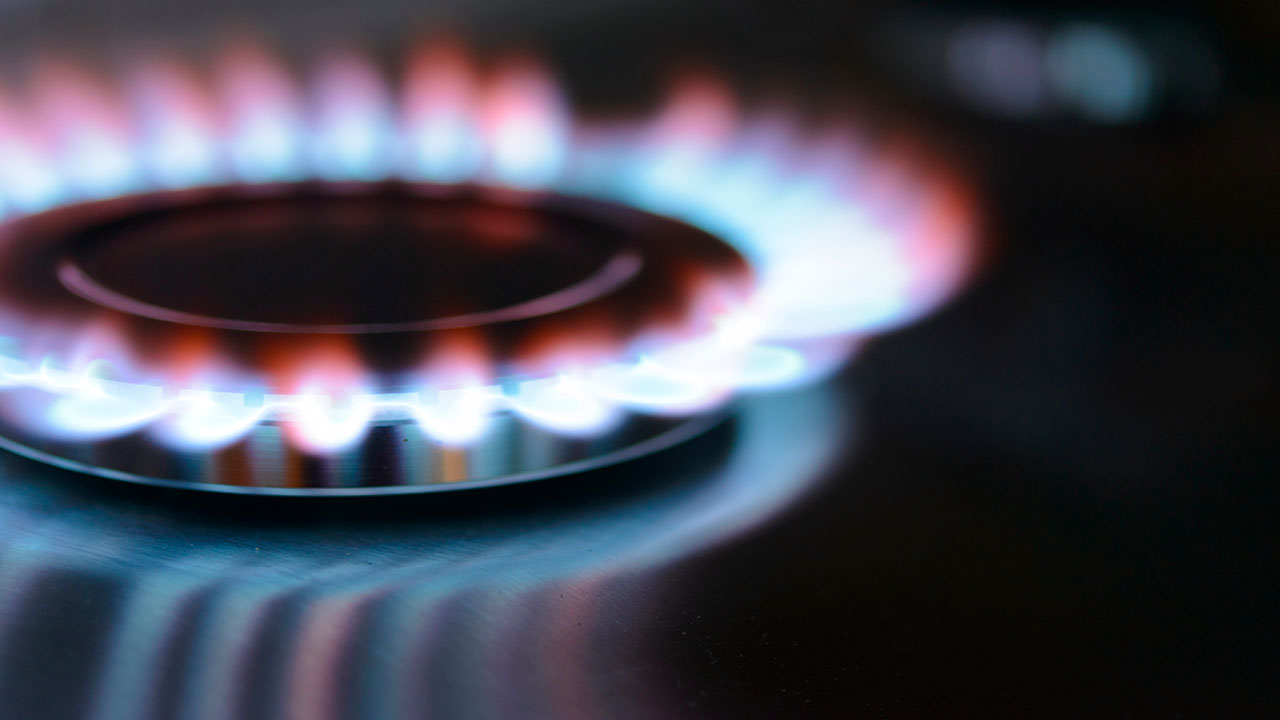
Once babies are able to stand up and reach the knobs on the stove, you can be sure that they’ll want to grab onto them and see what they are. Unfortunately, they can inadvertently turn them on while satisfying their curiosity.

To prevent them from turning on the stove or oven, place transparent covers over them, which you can find at stores catering to babies and young children.

4. Keep Items Over the Crib Lightweight

Whether you have a mobile, light fixture, or artwork hanging over your baby’s crib, make sure it’s not too heavy. If your baby grabs a hold of it or it falls on its own, it can really cause harm if the item in question falls on top of your little one. As such, make sure that whatever you’ve got over the top of the crib is safe enough to be hung in that spot.

5. Remove Glass From Wall Art

It doesn’t take much for babies and toddlers to lift up artwork hanging on walls (if they’re tall enough to reach or the art is hanging low). And once that artwork comes off the hook, it can easily come crashing down on your baby.

That glass can quickly shatter when it hits the floor, leaving your baby in a sea of sharp-edged glass pieces. To keep your baby safe, remove the glass in front of any artwork that’s within reach.

6. Cushion Sharp Corners and Edges

As babies learn to walk, they inevitably bump into things, and many times their heads are what come into contact with things that are in their way. While this might be OK with many furniture pieces, it’s the sharp corner and edges that you have to watch out for. Smacking their head onto a sharp edge or poking their eyes with a sharp corner can do some damage.

To avoid these mishaps, consider covering these sharp edges and corners with specially-made cushions that you stick onto the areas that need attention.

7. Turn Down the Water Temperature

The temperature of your water can be adjusted, so you’ll want to take advantage of this flexibility. The water that comes out of your hot water spout can be piping hot, which can scald your baby’s delicate skin immediately. As such, be sure to reduce the temperature of your hot water.

Speaking of tubs, be sure to place a non-slip mat along the bottom to prevent any slips and falls. And while you’re at it, consider covering the bathtub spout with something soft in case your baby bumps his or her head on it.

8. Prevent Strangulation By Cutting Looped Cords on Blinds

If your home’s windows are outfitted with blinds, odds are there are dangling cords that are just begging to be tugged at by your little one. The problem with these cords is that they present a real danger to little children in the form of accidental strangulation.

If your baby gets caught in the cord, this can spell disaster. To prevent any mishaps from occurring, cut the loops of the blinds’ cords, and keep them out of reach completely.

The Bottom Line

The aesthetics of your home are certainly important, but with a baby in the home, safety always takes top priority. Luckily, there are plenty of things you can do to baby-proof your home without compromising style. Just a few simple tactics can make your home a lot safer for your little one.


What California Homeowners Should Know About Earthquake Insurance

Earthquakes can have devastating effects. And considering the fact that there are fault lines throughout the Golden State, this west coast state is prone to earthquakes more than most other states in the US.

You already have homeowner’s insurance (or at least you should), but should you take out an extra policy to protect against damage caused by earthquakes? Before you do, be sure to consider everything about these types of policies.

Earthquake Insurance Isn’t Mandatory

Homeowner’s insurance is required if you plan to take out a mortgage on a home. Lenders want to make sure a home is insurable before they extend a loan. But not every homeowner necessarily needs earthquake insurance. Depending on where you live, earthquakes might be a rarity, while they may be more commonplace in other parts.

Only you can decide whether or not you should get earthquake insurance, as it’s not a mandatory type of coverage that homeowners are required to take out. That said, California is one of the states in the US that is prone to earthquakes – especially along fault lines – so it’s something that may be worth considering.

Coverage Required Depends on Several Components

The amount of earthquake insurance that you take out will depend on certain things, such as the value of your home, the cost to rebuild it, and the value of your personal possessions. Consider the value of everything that may be at risk when determining how much insurance to take out.

Coverage is Expensive

Insurance itself is not exactly cheap. But earthquake insurance, in particular, is quite expensive compared to standard policies. And the cost of coverage becomes even more expensive in earthquake-prone regions. You can expect to pay an average of $3.50 per $1,000 of coverage in California. So, for a home that’s worth $500,000, the annual premium would be $1,750.

Several Factors Influence Rates

The above figure is an average ballpark amount you can expect to pay. But the actual cost of your policy depends not only on the value of your home and the cost to rebuild it, but also the following:

  • ZIP code
  • Proximity to fault lines
  • Age of the home
  • Number of stories
  • Building materials used
  • Soil type

Deductibles Need to Be Paid First

Just like any other type of insurance policy, a deductible will need to be paid when you file a claim. The amount of your deductible will sometimes depend on what you decided on when you first took out your policy, if your insurance provider allows you to choose. For instance, you may have chosen a higher deductible amount in exchange for a lower annual premium. Or else, a lower deductible amount will mean a higher premium.

Otherwise, many insurance companies offer set deductibles based on the overall policy limit, usually somewhere in the range of 15%. That means that if you file a claim for a $300,000 policy, you would have to pay a deductible of $45,000.

Consider what your deductible is and the extent of the damage done to your home as a result of an earthquake before you decide to file a claim. If the damage done is minimal, it might not be worth paying the deductible and seeing your premiums increase as a result. On the other hand, extensive damage will likely be worth tapping into the policy you took out to protect your finances in the event of an earthquake.

Possessions Are Covered to a Set Amount

With earthquake coverage, your personal belongings are generally covered up to a set dollar figure. Let’s say your limit is $5,000, which would be fine if the damage done to your possessions doesn’t amount to any more than that.

But this can be a bit of an issue if expensive entertainment systems, electronics, and other high-ticket valuables that are valued much higher than $5,000 are broken. If you have a lot of valuable goods in your home, consider taking out more coverage for contents.

Exclusions May Exist

Not everything will necessarily be covered in an earthquake insurance policy. Certain things may be excluded, so you’d be well advised to find out what is and is not included in your policy when you take one out.

Examples of things that an earthquake policy may cover include:

  • Repairs to your home and any attached structures
  • Furniture
  • Clothing
  • Additional living expenses if your home is uninhabitable

Things that an earthquake policy probably won’t cover include:

  • Fences
  • Pools
  • Separate structures
  • Vehicles
  • Fine china and other delicates
  • Masonry
  • Sinkholes
  • Fires caused by an earthquake
  • Floods caused by an earthquake

Discounts Exist For Retrofitted Homes

If you’ve taken precautions to ward against damage caused by earthquakes, you may be eligible for a discount on your policy. For example, bolting down appliances, securing the home to the foundation, and bracing interior walls can all help to keep the structure standing despite an earthquake. Whatever you do to solidify your home’s structure, you can reap the rewards with a lower premium.

The Bottom Line

Earthquake insurance is by no means required. But considering the state in which you live, it might be a viable policy to think about. That said, the expenses need to be considered, as does the type of coverage that you’ll get. Be sure to speak with an insurance provider and ask plenty of questions about these types of policies before you take one out.

7 Advantages of Living in a 55+ Community

When you reach a certain age, your needs and tastes may be different than what they may have been in your younger years, and that includes your housing arrangement.

Maybe your current home is getting to be too much for you to maintain, or perhaps climbing up and down the stairs is becoming tiresome and even difficult. Or maybe you’re ready to be surrounded by peers within the same age group and are looking for something to keep you engaged and active when you retire.

If that’s the case, then a 55+ community might be the right move to make at this stage in your life.

What is a 55+ Community?

As the name suggests, a 55+ community is geared towards those who are 55 years of age and older. They’re not designed for young families with children or even middle-aged professionals. Instead, they’re designed with people who are nearing or in their retirement years.

This particular age demographic has many different needs and tastes that those who are much younger, and as such, they’re designed to accommodate these specific requirements.

Here are some of the benefits of 55+ communities.

1. Properties Are Designed Specifically For Seniors

The home that you may have bought when you were younger may have suited you well back then, but perhaps it doesn’t work as well for you today. Rather than making structural changes to your current home to suit your needs or your changing mobility issues, moving into a place that’s already structured to make mobility much easier might be a better idea. 

2. Residents Are in the Same Age Demographic

One of the biggest advantages of living in a 55+ active community is that you’ll be surrounded by others in the same age group. If there are no friends or family nearby, seniors can end up becoming increasingly lonely in a neighborhood filled with younger residents or children.

A 55+ community solves this issue by attracting those who are in the same age demographic and who are looking for the same types of amenities and activities.

3. Quiet Environment

As the name suggests, no one under the age of 55 is permitted to live on the premises. While family can visit, no children will be running around on a regular basis, which makes these communities quieter places to live. If you’re looking for a tranquil home and community, these active senior living communities are a great option.

4. Security

Active 55+ communities typically come with on-site security that residents can take advantage of. If you’re on your own, living in a community that offers 24/7 security features can not only make you feel more secure but can help your family ease their worries about you living on your own. If security is an important feature for you, then a 55+ community may be an ideal choice for you.

5. Plenty of Amenities and Events

Active living communities typically implement a number of amenities and events that are designed to keep residents active, engaged, and entertained. These communities usually offer onsite opportunities to socialize, stay physically fit, and even volunteer.

You can expect to have amenities such as swimming pools, fitness centers, yoga classes, social events and gatherings, and even organized outings. Such amenities and events can help fill your days with enjoyment and can help you stay active and engaged in your community.

6. Less Maintenance to Worry About

No one really enjoys the regular ongoing maintenance that usually accompanies homeownership. But in a 55+ community, the majority of maintenance is taken care of. That means less work and time spent maintaining your property and more time enjoying the company and amenities that your new community has to offer.

7. Medical Facilities in Close Proximity

As you age, having quick and easy access to medical assistance becomes an increasingly important concern. The great thing about 55+ communities is that they’re typically constructed within close proximity to healthcare centers. While there might not be any physicians or nurses on site, you can rest easy knowing that medical help is usually just a quick commute away.

Should You Buy Into a 55+ Community?

There are definitely plenty of perks of buying into a 55+ community, but it may not necessarily be right for everyone. It’s important to note that while these communities are designed for those who are in their later stages of life, they don’t provide onsite medical care or support that assisted living facilities do. Instead, these are active lifestyle communities.

Those who are 55 years of age or over and are relatively healthy would benefit best from communities like these. If onsite healthcare services are not required on a daily basis, this type of investment might be better suited for them as opposed to someone who may require more hands-on medical care and attention.

The Bottom Line

If you’re approaching your senior years and have a penchant for staying active and being surrounded by like-minded peers, then perhaps a move to a 55+ community may be the right one for to you make at some point. Just be sure to ask plenty of questions and find out everything there is to know about a particular community, including amenities and rules. With a trusted real estate agent by your side, you’ll have all the support and guidance you need to choose the community that’s best suited for you.