
10 Costly Mistakes First-Time Homebuyers Make (and How to Avoid Them)

Real Estate Broker agent's signature on the contract finalized the mortgage agreement

Buying your first home is one of life’s most exciting milestones — but it’s also one of the biggest financial decisions you’ll ever make. It’s easy to get swept up in the thrill of open houses and “dream home” visions, but without the right preparation, you could end up making costly mistakes that follow you for years.

Here are ten of the most common pitfalls first-time buyers face, and how you can sidestep them to ensure a smooth, successful home purchase.

1. Shopping Without Mortgage Pre-Approval

Many first-time buyers start house hunting before they know exactly how much they can afford. This can lead to disappointment if you find the perfect home only to realize it’s out of your budget. Getting pre-approved by a lender early in the process not only clarifies your price range, it also signals to sellers that you’re a serious, qualified buyer. This extra step can make your offer more competitive in a tight market.

2. Emptying Your Savings for the Down Payment

It’s tempting to throw every spare dollar into your down payment to reduce your loan amount — but that can leave you financially vulnerable. Homeownership brings surprise expenses, from leaky roofs to emergency plumbing repairs. A healthy emergency fund, ideally covering three to six months of living expenses, ensures you can handle the unexpected without turning to credit cards or loans.

3. Forgetting the “Hidden” Costs of Ownership

The purchase price is just the beginning. Property taxes, homeowners insurance, utilities, and HOA fees can add hundreds of dollars each month to your expenses. Plus, routine maintenance — like lawn care, HVAC servicing, and minor repairs — will be your responsibility. Before you commit, ask your real estate agent for a detailed estimate of monthly and annual costs so you can budget realistically.

4. Letting Emotions Lead the Way

It’s natural to fall in love with a house that has beautiful curb appeal or a stunning kitchen. But emotions can cloud judgment. A home might look perfect, yet hide structural problems, be in a less-than-ideal location, or simply stretch your budget too far. To stay grounded, create a list of non-negotiables — like location, size, and essential features — and refer back to it when you’re tempted to compromise.

5. Skipping Neighborhood Research

The right home in the wrong neighborhood can quickly lose its charm. Factors like school ratings, commute times, noise levels, and local amenities will all affect your daily life and the property’s resale value. Visit at different times of day, talk to neighbors, and explore the area to get a realistic feel before making a commitment.

6. Waiving the Home Inspection

In competitive markets, some buyers skip the inspection to make their offer more attractive. This is risky — an inspection could reveal major issues like foundation cracks, outdated electrical wiring, or roof damage that could cost tens of thousands to fix. Even if it slows the process, a thorough inspection is worth the time and money.

7. Making Major Purchases Before Closing

Once you’ve found your home, it’s tempting to start buying furniture, appliances, or even a new car. But big purchases before your mortgage closes can affect your credit score and debt-to-income ratio, potentially jeopardizing your loan approval. The safest move is to hold off on major spending until the keys are in your hand.

8. Overlooking Loan Options and Assistance Programs

Many first-time buyers assume they need a 20% down payment, but there are numerous programs designed to help you get into a home with far less. FHA, VA, and USDA loans, as well as state and local grants, can significantly reduce your upfront costs. Shop around with different lenders and ask about every option available — you might be surprised at how much you can save.

9. Underestimating the Timeline

Home buying can be a longer process than many expect. Between finding the right property, securing financing, negotiating terms, and closing, it can take several months. Planning ahead will reduce stress, especially if you have a lease ending or need to coordinate a move from another home. Start the process early and give yourself a buffer.

10. Not Partnering With the Right Real Estate Agent

Perhaps the most valuable step you can take is choosing the right agent. A knowledgeable, local real estate professional will guide you through the process, negotiate on your behalf, and help you avoid pitfalls you might not see coming. Don’t be afraid to interview multiple agents — the right fit can make all the difference in your first homebuying experience.

Final Thoughts

Your first home purchase should be exciting, not overwhelming. By preparing ahead of time and steering clear of these common mistakes, you’ll be in a stronger position to find the right property, secure favorable financing, and enjoy your new home with confidence.

If you’re ready to start your home search, having an experienced guide on your side can make the journey smoother and less stressful. I’m here to help you navigate every step — from pre-approval to closing day — so you can move into your first home with peace of mind.

Designer’s Secrets: Master the Art of Interior Lighting at Home

beautiful retro luxury decorative lights in a modern home

When it comes to designing a beautiful, comfortable home, lighting often plays the quiet hero. It has the power to make a small room feel spacious, turn a bland corner into a cozy retreat, and set the perfect mood from sunrise to sunset. Whether you’re planning a complete redesign or just want to enhance your current space, mastering interior lighting is a must. Here are the top designer secrets to help you light your home like a pro.

1. Layer Your Lighting Like a Pro

Designers rarely rely on just one light source. Instead, they use three layers of lighting to add depth and flexibility:

  • Ambient lighting: This is your main source—typically overhead fixtures or recessed lighting.
  • Task lighting: These lights serve a purpose, like reading lamps, under-cabinet lighting, or pendant lights over a kitchen island.
  • Accent lighting: This is where the magic happens—spotlights on art, LED strips in shelves, or wall sconces that highlight architectural features.

Designer tip: A room should ideally have 5–7 light sources at varying heights to create dimension and warmth.

2. Think in Terms of Mood and Function

Every room has a purpose—and your lighting should reflect that.

  • Living rooms benefit from dimmable lights and soft, layered lighting to encourage relaxation and conversation.
  • Kitchens need brighter, cooler light for food prep and cleaning.
  • Bedrooms do well with warm, indirect lighting that helps you wind down.
  • Bathrooms need clear, natural-looking light—especially around the vanity.

Pro tip: Use smart bulbs or dimmers to adjust brightness and color temperature for different times of day.

3. Don’t Underestimate Natural Light

Before adding more lamps or fixtures, look at what nature gives you.

  • Use mirrors to reflect natural light and make rooms feel bigger.
  • Choose sheer curtains or light-filtering shades instead of heavy drapes.
  • Position furniture to take advantage of daylight for reading or working.

Designer move: South-facing windows give the most consistent light—arrange your most-used spaces near them when possible.

4. Choose the Right Bulbs

Not all bulbs are created equal. The wrong bulb can make even the best-designed room feel off.

  • Color temperature: Look for warm white (2700K–3000K) for cozy spaces and cool white (3500K–4100K) for workspaces.
  • Brightness: Measure in lumens, not watts. Living rooms need around 1,500–3,000 lumens total; kitchens may need more.
  • CRI (Color Rendering Index): A CRI above 80 ensures colors in your home appear accurate and vibrant.

Avoid harsh blue-tinted bulbs unless you’re lighting a workspace or studio.

5. Treat Lighting as Decor

Lighting is functional—but it’s also a major design element. Don’t settle for boring fixtures.

  • Use statement chandeliers to anchor a dining room.
  • Try sculptural or geometric pendants in hallways or nooks.
  • Pick lamps with bold shapes, materials, or colors to act as focal points.

Think of lighting as jewelry for your room—it should complement, but also sparkle.

6. Highlight What Matters

Use lighting to draw the eye to your favorite features: a piece of art, an exposed brick wall, or beautiful cabinetry.

  • Use picture lights or directional spotlights.
  • Install LED strips in coves, shelves, or behind headboards for a soft glow.
  • Add toe-kick lighting in kitchens or bathrooms for a modern, hotel-like touch.

Accent lighting adds that luxury layer that separates a good room from a great one.

Final Thoughts: Light with Intention

Interior lighting isn’t just about seeing clearly—it’s about feeling something. Warmth, focus, serenity, drama… each room tells a story, and lighting is how it speaks.

So whether you’re planning your next renovation or just swapping out a few bulbs and lamps, remember: great lighting doesn’t just illuminate—it transforms.

The Big Question: Should You Rent or Sell Your Home When Relocating?

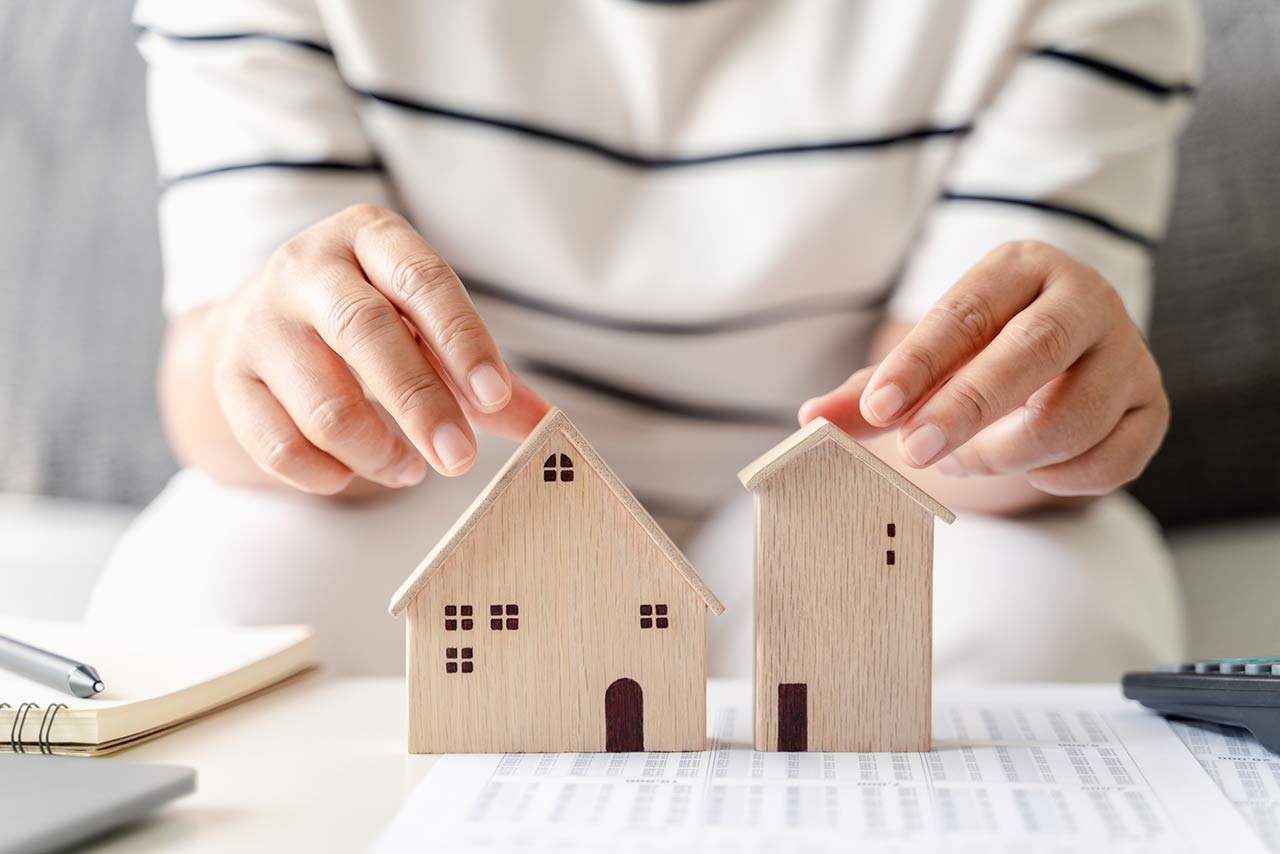
woman is deciding to choose house with Small Wooden House Model

Deciding to move is a major life event — and if you own your current home, you’re faced with an important financial question: “Should you rent it out or sell it?” The answer isn’t always straightforward. Both options come with unique benefits and potential pitfalls, and the right choice depends on your personal, financial, and market circumstances. Here’s a closer look at what to consider before making your decision.

Renting Out Your Home: Pros and Cons

Pros:

  • Ongoing Income: Renting can create a steady stream of passive income, which may help you cover the mortgage or supplement your new living expenses.
  • Long-Term Investment: Keeping your home means you hold onto an asset that may appreciate over time, building equity.
  • Flexibility: If your move is temporary or you’re unsure about your next step, renting allows you to keep your options open.

Cons:

  • Landlord Responsibilities: Being a landlord means managing tenants, maintenance, and possible vacancies—or hiring a property manager at a cost.
  • Unpredictability: Market rents can fluctuate, and problematic tenants can create financial and legal headaches.
  • Ongoing Costs: Even with rental income, you’re still responsible for taxes, insurance, repairs, and possibly HOA fees.

Selling Your Home: Pros and Cons

Pros:

  • Access to Equity: Selling gives you access to the home’s full market value (minus selling costs), which you can use as a down payment on a new property or for other goals.
  • Simplification: No need to manage tenants, pay ongoing costs, or worry about market dips.
  • Capital Gains Exemption: If the home was your primary residence for at least two of the last five years, you may be eligible to exclude up to \$250,000 (or \$500,000 for married couples) of capital gains from taxes.

Cons:

  • Loss of Potential Appreciation: If the home continues to rise in value, you miss out on future gains.
  • Market Timing Risk: If the market is down, you may not get the return you hoped for.
  • Emotional Attachment: Selling a beloved home can be emotionally difficult, especially if it holds sentimental value.

Key Questions to Ask Yourself

  1. What’s the housing market like in your area?
    A seller’s market might make selling more appealing. A sluggish market may push you to rent until conditions improve.
  2. Do you need the proceeds to buy your next home?
    If yes, selling may be your only viable option unless you have significant savings or qualify for two mortgages.
  3. Are you prepared to be a landlord?
    Consider the time, effort, and temperament it takes to manage a rental. If you’re relocating far away, hiring a property manager might be essential.
  4. How long do you plan to hold the property?
    If you’re thinking long-term and your property is in a high-demand rental area, it could pay off to rent. If not, it might make sense to sell and move on.

Final Thoughts

There’s no universal answer to the rent-versus-sell debate. Your choice should reflect your financial goals, lifestyle needs, and comfort with risk. If you’re unsure, talk to a real estate agent, financial advisor, or property manager to help analyze the numbers and local market trends.

Whether you sell or rent, the key is to approach the decision with clear priorities and informed expectations. Your home was a big investment — make your next move just as wisely.

House Hunting Like a Pro: Finding Your Perfect Home in a Competitive Market

Happy family, portrait and real estate with keys in property, investment or new home together

In today’s fast-paced real estate market, finding your dream home can feel like chasing a mirage—every time you get close, it vanishes into someone else’s contract. But don’t worry. With the right game plan, you can still land the perfect place to call home—even when competition is fierce.

Here’s how to stay ahead of the pack and score your dream home in a competitive market:

1. Get Pre-Approved (Not Just Pre-Qualified)

Sellers take offers seriously when buyers come ready with a mortgage pre-approval in hand. It shows you’re financially prepared and ready to move fast. In a competitive market, that edge could be the difference between acceptance and rejection.

2. Define Your “Must-Haves” vs. “Nice-to-Haves”

You may not find the “perfect” home, but you can find the “right” one. Make a list of your non-negotiables (like school districts, number of bedrooms, or yard size), and separate them from your “wishlist” items (like a pool or finished basement). Knowing what you can compromise on will speed up your search.

3. Work with a Local Expert Agent

A knowledgeable real estate agent is your secret weapon. They know neighborhoods inside and out, can alert you to listings before they hit the market, and help craft competitive offers. Look for an agent with a strong network and glowing reviews.

4. Move Fast, but Don’t Rush

In a tight market, homes can disappear in a matter of hours. Be ready to view properties and make decisions quickly—but don’t skip important steps like inspections or title checks. A rushed offer without due diligence can lead to regret.

5. Write a Stand-Out Offer

Money talks—but sometimes, so does emotion. Consider including a personal letter with your offer, sharing why you love the home. Also, be flexible with closing dates or contingencies. Small details can give you an advantage.

6. Expand Your Search Radius

If your ideal neighborhood is ultra-competitive, consider nearby areas with similar amenities and lifestyle. You might discover a hidden gem you hadn’t considered—and stretch your dollar further.

7. Stay Persistent and Positive

Rejection is part of the process. Many buyers go through several offer cycles before landing “the one.” Stay patient, stay prepared, and trust that your dream home is out there waiting for you.

Bottom-line

Finding your dream home in a competitive market is a challenge—but it’s far from impossible. With strategy, speed, and a bit of heart, you can turn the hunt into a successful ending.

2025’s Hottest Interior Design Trends You Need to Know

Large luxury modern bright interiors Living room

As we move deeper into 2025, interior design is embracing a bold blend of future-forward aesthetics and earthy nostalgia. This year’s trends reflect a strong desire for comfort, individuality, and sustainability—perfectly suited for those looking to refresh their spaces with intention and personality. Whether you’re planning a full home makeover or just want to add a few stylish touches, here are the hottest interior design trends dominating 2025.

1. Warm Minimalism

Minimalism isn’t going anywhere, but it’s getting cozier. Say goodbye to cold, sterile spaces—2025’s version of minimalism is infused with warmth. Think soft neutral palettes, layered textures, and thoughtfully selected pieces that evoke calm without feeling bare. Warm woods, boucle fabrics, and curved forms are key to nailing this look.

2. Statement Stone

Marble and other natural stones are taking center stage in kitchens, bathrooms, and even furniture. Dramatic veining, bold colors, and asymmetrical cuts turn countertops, coffee tables, and backsplashes into eye-catching works of art. Green, burgundy, and even pink marble are particularly popular right now.

3. Retro Futurism

One of the more playful trends of 2025, retro futurism is all about blending mid-century elements with futuristic shapes and finishes. Think chrome accents, kidney-shaped furniture, LED lighting, and nostalgic color schemes like mustard, teal, and burnt orange—revived with a sleek, modern twist.

4. Biophilic Design 2.0

Biophilic design is evolving beyond houseplants. In 2025, it’s about creating entire environments that mimic the natural world. Indoor water features, organic architectural forms, and even walls that incorporate moss or living greenery are gaining traction. This trend emphasizes wellness, mental clarity, and a stronger connection to the outdoors.

5. Moody Monochrome

Deep, saturated color palettes are making a comeback, especially in monochromatic schemes. Rich hues like forest green, aubergine, charcoal, and indigo are being used floor-to-ceiling for a dramatic, immersive effect. Paired with luxe textures—velvet, matte paint, and brushed metal—these rooms feel both intimate and sophisticated.

6. Tech-Integrated Living

Smart homes are no longer just about function—they’re about seamless, beautiful integration. Designers are blending voice-activated systems, hidden charging ports, and ambient lighting into spaces without disrupting the aesthetic. Wireless everything, soundproofed zones, and customizable home ambiance are must-haves.

7. Artisanal & Handcrafted Pieces

In a pushback against mass production, 2025 highlights one-of-a-kind, handcrafted items. Whether it’s a hand-thrown ceramic vase, a carved wooden stool, or a woven textile wall hanging, these pieces add soul and story to a space. Supporting local makers and sustainable practices is a bonus.

8. Mixing Eras & Styles

Gone are the days of strictly sticking to one style. This year is all about curated contrast—pairing ultra-modern furniture with antique accessories, or Scandinavian minimalism with bohemian textiles. Personal expression rules, and design lovers are embracing eclecticism to make their homes truly their own.

Final Thoughts

2025’s interior design trends encourage self-expression, sustainability, and a reimagining of how we live in our spaces. Whether you’re drawn to dramatic stones, cozy minimalism, or a high-tech retreat, there’s something for every taste and lifestyle. The best trend of all? Creating a space that feels like home.

The Ins and Outs of a Bathroom Remodel: What You Need to Know Before You Begin

Modern bathroom with glass shower, wooden cabinets, and sleek fixtures in a bright, minimalist design

Remodeling a bathroom is one of the most rewarding home improvement projects you can undertake. Whether you’re updating a tired, outdated space or reimagining a bathroom to better suit your lifestyle, the transformation can be dramatic—not to mention a great boost to your home’s value. But before you start swinging a sledgehammer, it’s important to understand what goes into a successful bathroom remodel. Here’s a breakdown of the key elements to consider.

1. Start With a Plan

A bathroom remodel isn’t just about picking pretty tiles and new fixtures. It starts with a clear plan that addresses both function and style. Ask yourself:

  • What’s not working in the current space?
  • What features do you want to add or upgrade?
  • What’s your budget?
  • Will you need permits or professional help?

Sketch out your ideas or work with a designer to ensure your vision is both beautiful and practical.

2. Set a Realistic Budget

The cost of a bathroom remodel can vary widely—from a few thousand dollars for a simple refresh to tens of thousands for a full gut job with high-end finishes. Be realistic about what you can spend and always include a 10-20% cushion for unexpected costs. Major expenses often include:

  • Plumbing and electrical work
  • Tile and flooring
  • Vanities and countertops
  • Fixtures (toilets, tubs, showers, sinks)
  • Labor

3. Don’t Underestimate Plumbing and Electrical

Changing the layout of your bathroom (moving a toilet, for example) can significantly increase the cost and complexity of the job. If possible, keep plumbing in the same location to save money. Updating electrical work is also essential—especially if your home is older. Make sure outlets are up to code, lighting is sufficient, and everything is safe and modern.

4. Choose Durable, Water-Resistant Materials

Bathrooms are high-moisture environments, so select materials that can stand up to humidity and water exposure. Look for:

  • Porcelain or ceramic tile for flooring and walls
  • Quartz or granite for countertops
  • Waterproof paint or wall panels
  • Fixtures with finishes that resist tarnish and corrosion

5. Maximize Space and Storage

Bathrooms often have limited square footage, so every inch counts. Consider space-saving features like:

  • Wall-mounted vanities
  • Recessed shelving or niches in the shower
  • Over-the-toilet cabinets
  • Mirrors with built-in storage

Also, think vertically—use the height of the room for storage and design opportunities.

6. Lighting Matters

Good lighting is essential in a bathroom, both for function and ambiance. Include a mix of lighting sources:

  • Overhead lighting for general illumination
  • Task lighting at the vanity
  • Accent lighting to highlight design elements or create a spa-like mood

Consider installing dimmers for added flexibility.

7. Don’t Skip Ventilation

Proper ventilation is critical to prevent mold and moisture damage. A high-quality exhaust fan with a timer or humidity sensor is a must—especially in bathrooms without windows.

8. Timeline and Disruption

Even a small bathroom remodel can be disruptive, especially if it’s your only bathroom. Set a realistic timeline and prepare for some inconvenience. Hiring experienced professionals can help minimize delays and stress.

9. Hiring the Right Professionals

If your remodel involves significant plumbing, electrical, or structural changes, working with licensed contractors is crucial. Ask for references, verify credentials, and get detailed quotes in writing. If you’re doing a DIY project, know your limits and when to call in the pros.

10. The Finishing Touches

Once the big items are in place, personalize your bathroom with thoughtful touches:

  • Soft, luxurious towels
  • Plants that thrive in humidity
  • Art or decorative accents
  • Stylish hardware and accessories

These details help turn a functional room into a space you’ll love.

Bottom-line

A bathroom remodel is a worthwhile investment that can enhance your daily routine and your home’s value. By planning carefully, budgeting wisely, and choosing the right materials and team, you can create a space that’s both beautiful and built to last. Whether you’re dreaming of a spa-inspired retreat or a sleek, modern update, understanding the ins and outs will help ensure a smooth and satisfying renovation.

How To Entertain At Home This Summer—With Style

Two glasses and a bottle of homemade lemon, lime, and mint lemonade sit on the wooden dining table

Summer is the season of sunshine, good vibes, and great company. And what better way to celebrate the season than opening up your home to friends and family for stylish, memorable gatherings? Whether you’re planning a backyard bash, an intimate patio dinner, or a spontaneous Sunday brunch, here’s how to entertain at home this summer—with effortless flair and style.

1. Create a Signature Summer Setting

Think resort vibes meets backyard charm. Start by setting the scene. Light up your outdoor space with string lights, lanterns, or flameless candles for an inviting glow as the sun sets. Invest in cozy outdoor seating with colorful cushions, rugs, and throws to give your guests a place to relax and linger.

Style tip: Incorporate natural textures like rattan, linen, and bamboo for that breezy, elevated summer look. Fresh flowers or a bouquet of herbs in simple vases make for charming, fragrant centerpieces.

2. Serve Up a Simple Yet Sophisticated Menu

Summer entertaining calls for light, fresh, and flavorful food that doesn’t keep you tied to the kitchen. Focus on shareable platters and easy-prep recipes.

Appetizers: Charcuterie boards, hummus with veggies, shrimp cocktail, or bruschetta.

Main course: Think grilled seafood, marinated chicken skewers, gourmet burgers, or fresh pasta salads.

Desserts: Mini fruit tarts, ice cream sandwiches, or grilled peaches with honey.

Style tip: Serve food on wooden boards, ceramic platters, or mismatched vintage plates for a relaxed but chic presentation.

3. Offer a Signature Drink (or Two)

Upgrade your beverage game with a DIY drink station or a signature summer cocktail. Think fresh mojitos, sangria, or a sparkling citrus mocktail.

Style tip: Use glass dispensers or pitchers with slices of fruit and herbs. Add a decorative ice bucket, pretty glassware, and reusable straws to take it up a notch.

4. Keep Entertainment Light and Fun

Great entertainment doesn’t have to be elaborate—just intentional. Set out lawn games like Cornhole or giant Jenga, curate a summer playlist that flows with the evening, or set up a projector for an outdoor movie night.

Style tip: Create a cozy movie corner with blankets, popcorn bags, and lanterns for an Instagram-worthy setup.

5. Curate the Guest Experience

The magic is in the details. Provide thoughtful touches like bug spray in cute containers, a pitcher of infused water, or fans for hot days. Make sure there’s shade with umbrellas or a pop-up canopy if needed.

Style tip: If you want to go the extra mile, create place cards for dinner or offer a small takeaway—like a mini potted plant or jar of homemade jam.

Bottom-line

Entertaining at home this summer doesn’t have to be complicated. With a few creative touches, good food, refreshing drinks, and a stylish setup, your place can become the go-to gathering spot of the season. Keep it relaxed, focus on connection, and most importantly—enjoy yourself. Here’s to unforgettable summer moments, made right at home.

The Pros and Cons of Buying A Fixer-Upper

Paint brush, sponge roller, paints, waxes and other painting or decorating supplies on white wooden planks

If you’re in the market for a new home, you may have come across several fixer-uppers. These properties, often sold at a lower price, offer a unique opportunity for homebuyers. However, the question remains: is buying a fixer-upper worth it? Let’s explore the pros and cons to help you make an informed decision.

Pros of Buying a Fixer-Upper

1. Lower Purchase Price: Fixer-uppers typically come with a significantly lower price tag compared to move-in ready homes. This can make homeownership more accessible, especially for first-time buyers. The savings on the initial purchase can also be funneled into renovations.

2. Customization: When you buy a fixer-upper, you have the opportunity to personalize every aspect of the home. You can make decisions on layouts, finishes, and features to fit your style and needs. If you’re someone who loves designing spaces, a fixer-upper allows for creativity that new constructions may not.

3. Potential for Increased Value: By making improvements, you can increase the home’s value significantly. If you’re strategic with your renovations, you might recoup your costs and then some when you decide to sell. This potential for appreciation can make a fixer-upper a smart long-term investment.

4. Character and Charm: Older homes often have unique architectural features and historical character that new builds lack. Buying a fixer-upper allows you to preserve and restore these charming aspects while also bringing the home up to modern standards.

5. Learning Experience: For those who enjoy DIY projects, a fixer-upper can be an excellent chance to learn new skills. From basic carpentry to interior design, you can gain valuable experience while adding personal touches to your home.

Cons of Buying a Fixer-Upper

1. Time and Effort: Renovations can be time-consuming and often require significant effort. Balance is key; if you have a busy lifestyle or limited availability, a fixer-upper might lead to stress rather than enjoyment.

2. Unexpected Costs: While you may save money upfront, unexpected repairs can add up quickly. Issues like plumbing, electrical work, or structural damage might arise that weren’t apparent during the initial inspection. It’s essential to budget for these potential costs and have a contingency fund.

3. Financing Challenges: Not all lenders are willing to finance properties that require extensive renovations. You’ll need to explore specialized loans, which may involve a more complicated approval process. Additionally, it’s important to be mindful of your overall budget to avoid overextending financially.

4. Location Limitations: Sometimes, fixer-uppers are situated in less desirable neighborhoods. Researching the area’s potential for growth and development is crucial. A beautiful home in a declining neighborhood may not yield the investment return you desire.

5. Longer Time Until Move-In: Depending on the extent of renovations needed, it might be a while before you can actually move into your new home. This could require you to find temporary housing, adding additional stress to the situation.

Bottom-line

Buying a fixer-upper can be a rewarding endeavor for the right buyer. While there are challenges involved, the potential for customization, increased value, and the thrill of transforming a home can make the effort worthwhile. It’s crucial to do thorough research, assess your budget, and consider your lifestyle before diving into such a project. With the right mindset and planning, a fixer-upper could be the home of your dreams.

A Smart Buyer’s Guide: Things to Consider When Buying a Condo

Home laptop, smile and relax couple search internet

Buying a condominium can be a smart investment and a great way to enjoy homeownership with fewer responsibilities than a traditional house. However, it comes with its own unique set of considerations. Whether you’re a first-time homebuyer, downsizing, or investing, here are the most important things to think about before buying a condo.

1. Understand What a Condo Is

A condominium (or condo) is a private residence within a larger complex or building. While you own the interior of your unit, shared spaces like lobbies, gyms, pools, and landscaping are co-owned with other residents and managed by a homeowners association (HOA).

2. Assess the HOA Rules and Fees

One of the biggest differences between condos and standalone homes is the HOA. Before buying:

  • Review the HOA rules to make sure they align with your lifestyle (e.g., pet restrictions, rental limitations, noise regulations).
  • Understand the monthly HOA fees, what they cover (maintenance, amenities, insurance), and how often they increase.
  • Check the HOA’s financial health, including reserve funds and any pending lawsuits.

3. Evaluate the Location

Location is always key in real estate, and it’s especially critical for condos. Consider:

  • Proximity to work, public transit, schools, shopping, and entertainment.
  • The neighborhood’s safety and development trends.
  • The overall appeal of the area to potential future buyers or renters (if resale or investment is a goal).

4. Inspect the Building and Amenities

The condition and quality of the building significantly affect your investment. Look for:

  • Well-maintained common areas and grounds.
  • The age and upkeep of amenities like the gym, pool, or elevators.
  • Pending or recent repairs (e.g., roof replacements, plumbing upgrades).

5. Review the Condo Association’s Management

Good management means fewer headaches. Research:

  • The reputation and experience of the property management company.
  • The transparency and responsiveness of the board.
  • The frequency of meetings and resident involvement.

6. Check the Condo’s Financial Documents

Request and review:

  • The latest financial statements, including budget and reserves.
  • The minutes from recent board meetings to see issues discussed.
  • Special assessments that could require you to pay for major repairs.

7. Understand the Resale Potential

Even if you plan to live in the condo long-term, it’s wise to:

  • Research how long units typically stay on the market.
  • Compare resale values of similar units.
  • Consider any limitations on renting out the unit, which can affect future flexibility.

8. Know the Insurance Requirements

Condo insurance works differently than homeowners insurance. You’ll typically need:

  • HO-6 insurance, which covers the interior of your unit and personal belongings.
  • To understand what the master policy covers (usually external structures and common areas).

9. Understand Your Financing Options

Financing a condo can be more complex:

  • Some lenders have stricter requirements for condo loans.
  • FHA or VA loan approval may depend on whether the building is certified.
  • A higher down payment or interest rate may be required if the condo project is considered high-risk.

10. Hire a Real Estate Agent with Condo Experience

A knowledgeable agent can:

  • Help navigate condo-specific issues.
  • Interpret HOA documents.
  • Negotiate effectively on your behalf.

Final Thoughts

Buying a condo can offer a convenient, community-based lifestyle and a wise investment opportunity. But it’s crucial to do your homework. By carefully evaluating the building, the HOA, financials, and your own needs, you’ll be better prepared to make a decision you can feel confident about.

Remember: Every condo community is different. Taking the time to ask questions, review documents, and think long-term can help ensure that your purchase is a rewarding one.

Landscaping Tips & Tricks for a Beautiful and Functional Outdoor Space

Man planting flowers outdoors, closeup

A well-designed landscape can enhance your home’s curb appeal, increase property value, and create a peaceful haven for relaxation or entertaining. Whether you’re starting from scratch or looking to refresh your yard, these landscaping tips and tricks can help you design a functional and beautiful outdoor space.

1. Start With a Plan

Before digging or planting, take time to plan your landscape. Consider your yard’s size, sun exposure, soil quality, and how you want to use the space. Sketch a basic layout that includes key elements like garden beds, patios, walkways, water features, or lawn areas.

Tip: Use graph paper or digital tools like landscape design apps to map out your ideas visually.

2. Choose the Right Plants

Selecting plants suited to your climate and soil conditions will save time and money. Look for native plants, which are often drought-tolerant, low-maintenance, and beneficial to local wildlife.

Trick: Group plants with similar sunlight and water needs together to simplify care and irrigation.

3. Layer for Depth and Interest

Create visual appeal by layering plants of varying heights. Use taller shrubs or ornamental grasses at the back, medium-sized perennials in the middle, and low ground covers or flowers in front.

Tip: Odd numbers of plants (groups of 3 or 5) often look more natural and balanced.

4. Add Hardscaping for Structure

Hardscaping—non-plant elements like patios, paths, walls, or edging—adds structure and usability to your landscape. Use materials that complement your home’s style, and consider curves or diagonal lines to add interest.

Trick: Gravel or decomposed granite paths are inexpensive, attractive, and allow for water permeability.

5. Mulch for Moisture and Weed Control

Mulch not only gives your beds a neat appearance but also retains soil moisture, regulates temperature, and reduces weeds.

Tip: Organic mulches (like wood chips or shredded bark) also break down and enrich the soil over time.

6. Incorporate Lighting

Outdoor lighting enhances safety, security, and ambiance. Use solar-powered or low-voltage lights to illuminate walkways, accent plants, or highlight architectural features.

Trick: Uplighting trees and structures can create dramatic nighttime effects with minimal effort.

7. Practice Smart Irrigation

Avoid overwatering by installing a drip irrigation system or using soaker hoses. Water early in the morning to reduce evaporation and fungal issues.

Tip: Use rain barrels to collect water for eco-friendly irrigation and lower utility costs.

8. Seasonal Maintenance

Regular upkeep ensures your landscape remains healthy and attractive. Prune plants, clear debris, and fertilize as needed. Refresh mulch annually and inspect for pests or disease.

Trick: Keep a gardening calendar or set phone reminders for seasonal tasks.

9. Add Personality with Decor

Incorporate decorative elements like garden statues, birdbaths, or DIY planters to express your style. Even small touches can make a big visual impact.

Tip: Repurpose old items like barrels, crates, or stepping stones for unique, budget-friendly flair.

Bottom-line

Great landscaping is a blend of creativity, function, and sustainability. By starting with a solid plan, choosing the right plants and materials, and maintaining it thoughtfully, you’ll create an outdoor space that looks great year-round and grows better with time.